Digestive Health
How Lifestyle Affects Digestive Health
Anal Fistula Surgery in Gunjur
What is Digestive Health?
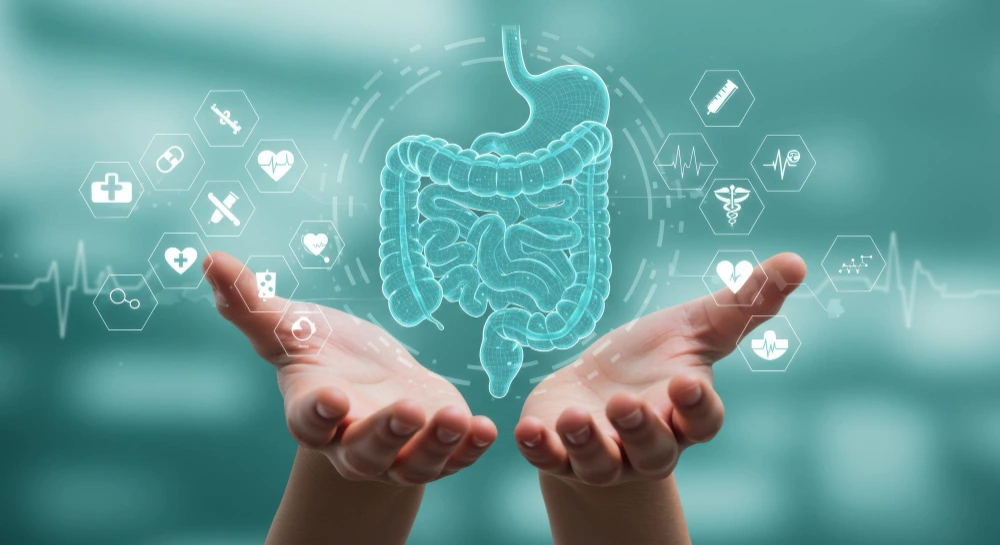
Digestive health refers to how well your gastrointestinal (GI) system—comprising the stomach,
intestines, liver, pancreas, and other organs—functions to break down food, absorb nutrients,
and eliminate waste. A healthy digestive system ensures proper nutrient absorption, supports
immunity, and maintains overall well-being.
Your lifestyle choices play a major role in determining how efficiently your digestive system
works. Factors like diet, physical activity, sleep, stress levels, and habits such as smoking or
alcohol consumption can either support or harm your gut health.
Symptoms of Poor Digestive Health
Unhealthy lifestyle habits can disrupt digestion and lead to various symptoms, including:
- Bloating and excessive gas
- Constipation or diarrhea
- Heartburn or acid reflux
- Abdominal pain or cramps
- Nausea or vomiting
- Loss of appetite
- Fatigue and low energy levels
- Unintentional weight changes
If these symptoms persist, it may indicate an underlying digestive disorder that requires medical
attention.
Appendix surgery doctor in Gunjur
How Lifestyle Affects Digestive Health
1. Diet and Nutrition
A diet high in processed foods, sugar, and unhealthy fats can slow digestion and cause
inflammation. Lack of fiber can lead to constipation. On the other hand, a balanced diet rich in
fruits, vegetables, whole grains, and probiotics promotes a healthy gut.
2. Physical Activity
Regular exercise helps stimulate intestinal activity, reducing the risk of constipation and
improving overall digestion.
3. Hydration
Insufficient water intake can lead to hard stools and constipation. Staying hydrated supports
smooth digestion and nutrient absorption.
4. Stress Levels
Chronic stress can negatively impact gut function, leading to issues like irritable bowel
syndrome (IBS), indigestion, and stomach discomfort.
5. Sleep Patterns
Poor sleep disrupts digestive processes and may worsen conditions like acid reflux.
6. Smoking and Alcohol
Smoking damages the digestive tract, while excessive alcohol consumption can irritate the
stomach lining and liver.
Treatment and Management
Improving lifestyle habits is key to maintaining good digestive health:
- Eat a balanced, fiber-rich diet
- Include probiotics like yogurt and fermented foods
- Drink plenty of water
- Exercise regularly (at least 30 minutes a day)
- Manage stress through meditation, yoga, or relaxation techniques
- Maintain a consistent sleep schedule
- Avoid smoking and limit alcohol intake
In some cases, doctors may recommend medications or supplements depending on the severity
of symptoms.
Recovery and Prevention
Recovery from digestive issues often involves long-term lifestyle changes rather than quick
fixes. Here’s how you can support recovery:
- Gradually improve eating habits
- Keep a food diary to identify triggers
- Practice mindful eating (eat slowly, chew properly)
- Follow medical advice and regular checkups
- Maintain a healthy weight
Preventive care is crucial to avoid recurring digestive problems.
FAQ
1. Can stress really affect digestion?
Yes, stress can disrupt gut function and lead to symptoms like bloating, cramps, and irregular
bowel movements.
2. How much water should I drink for good digestion?
Generally, 2–3 liters per day is recommended, but it may vary depending on individual needs.
3. Are probiotics necessary for digestive health?
Probiotics can help maintain a healthy balance of gut bacteria, especially after illness or
antibiotic use.
4. When should I see a doctor for digestive issues?
If you experience persistent symptoms like severe pain, blood in stool, or unexplained weight
loss, consult a doctor immediately.
5. Does exercise improve digestion?
Yes, regular physical activity helps regulate bowel movements and improves overall gut
function.